Author name: tannugupta.skillbee@gmail.com

How to Use ChatGPT for Digital Marketing
digital marketing

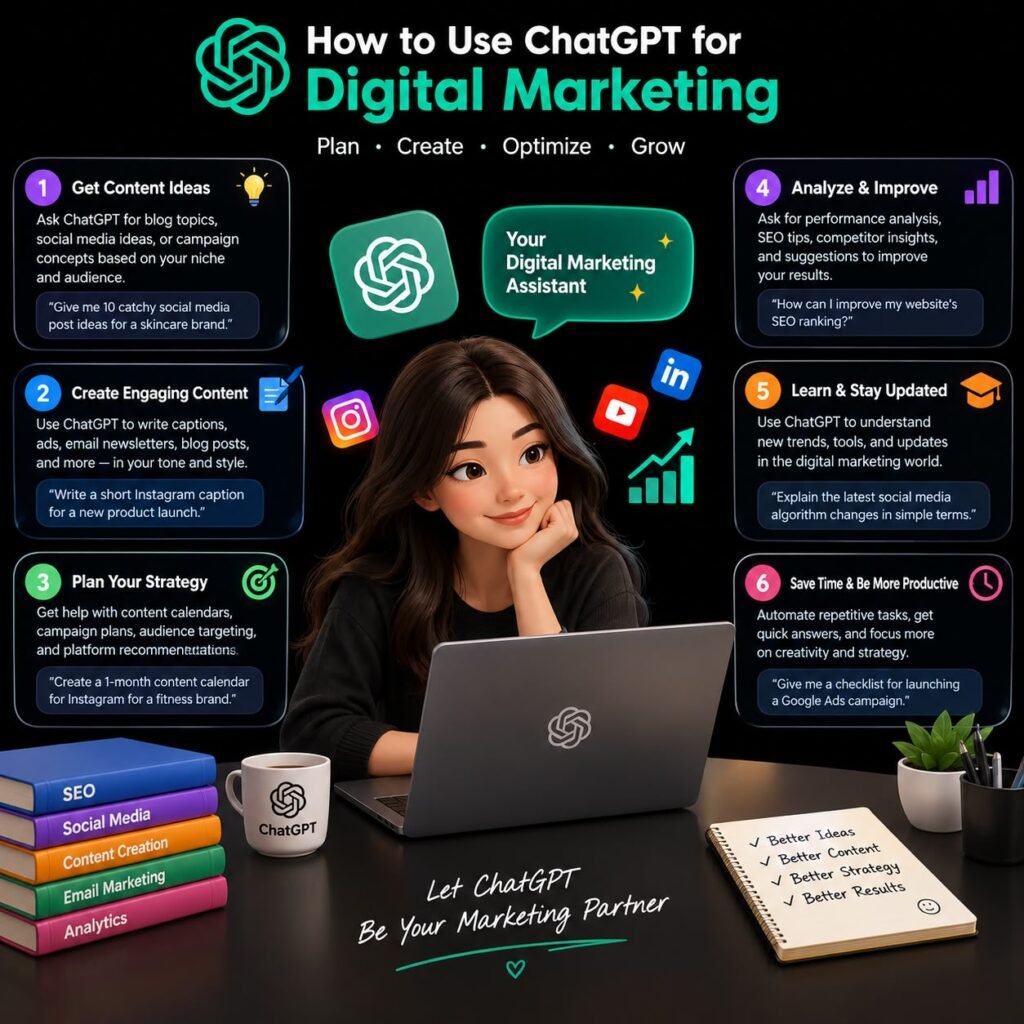
How to Use ChatGPT for Digital Marketing: A Complete Guide for Beginners

Introduction: How to Use ChatGPT for Digital Marketing Running a business online is not always easy. You need to create social media posts, write blogs, reply to customers, plan advertisements, and find ways to reach more people. All these tasks take time, especially when you have a small team or a limited budget. This is where ChatGPT can help. ChatGPT is an AI tool that can help you generate ideas, write content, plan marketing campaigns, and organise your daily marketing activities. You do not need to be a technical expert to use it. Even beginners and small business owners can start using it with simple instructions. Learning how to use ChatGPT for digital marketing can help you save time, improve your content planning, and work more efficiently. However, ChatGPT is not a replacement for human creativity, experience, or marketing strategy. The best results come when you combine AI assistance with your own knowledge of your business and customers. In this guide, you will learn how to use ChatGPT for digital marketing, with practical examples, useful prompts, and simple tips that you can apply to your business. Want to grow your business online? Explore Snowolive’s digital marketing services and discover how the right digital strategy can support your business goals. What Is ChatGPT and How Does It Help in Digital Marketing? ChatGPT is an AI assistant that responds to instructions and questions. You can use it to brainstorm ideas, draft written content, organise information, and explore different approaches to marketing. In digital marketing, it can support many everyday activities, including: For example, imagine you own a small clothing store. You want to promote a new collection on Instagram but do not know what to post. You can ask ChatGPT to suggest ten Instagram post ideas for your new collection, write captions for different customer groups, and create a weekly posting schedule. Instead of starting from zero, you receive ideas that you can review, improve, and use according to your brand’s style. Remember: ChatGPT provides suggestions, not guaranteed marketing results. You should always check its answers and make sure the content matches your business goals. 1. How to Use ChatGPT for Digital Marketing Content Creation Content creation is one of the easiest ways to begin using ChatGPT for digital marketing. Businesses need fresh content to educate customers, build trust, and promote their products or services. However, thinking of new ideas every day can become difficult. ChatGPT can help you brainstorm topics, create outlines, draft captions, and simplify complicated information. Create blog topics and article outlines Suppose you run a digital marketing agency and want to publish useful articles on your website. You can ask ChatGPT to suggest blog topics related to SEO, social media marketing, online advertising, and website development. Example prompt: “Suggest 15 useful blog topics about digital marketing for small business owners. Use simple language and focus on common problems that beginners face.” After choosing a topic, you can ask ChatGPT to create an outline with an introduction, main headings, examples, and a conclusion. This makes the writing process more organised. Write engaging social media captions Social media content should catch attention and give people a reason to interact with your business. ChatGPT can help you write captions for Instagram, Facebook, LinkedIn, and other platforms. Example prompt: “Write five Instagram captions for a digital marketing agency that helps small businesses grow online. Use simple English, a friendly tone, and a clear call to action.” You can also request different versions, such as educational, entertaining, promotional, or problem-solving captions. Before publishing, add your own experience, real examples, brand voice, and accurate information. Avoid posting generic AI-generated content without reviewing it. 2. How to Use ChatGPT for SEO and Keyword Research Search engine optimisation (SEO) helps your website appear in search results when people look for information, products, or services related to your business. ChatGPT can support SEO planning by suggesting keyword ideas, organising topics, creating content outlines, and identifying questions your audience may ask. It is particularly useful when you are unsure where to start. Find relevant SEO keywords Let’s say your business provides digital marketing services to small businesses. You could ask ChatGPT to suggest keywords related to your services, such as: These are starting ideas, not verified keyword opportunities. Use an SEO research tool, such as Google Keyword Planner, to investigate search demand and competition. Use focus keywords in headings Once you select your primary keyword, use it naturally in your article title, introduction, relevant subheadings, and URL where appropriate. For example, if your focus keyword is “How to Use ChatGPT for Digital Marketing,” you could create headings such as: Avoid repeating the same keyword in every paragraph. Your content should sound natural and answer the reader’s questions. Create SEO-friendly meta descriptions A meta description gives searchers a short summary of a webpage. ChatGPT can help you draft one that clearly explains what the article offers. Example prompt: “Write three meta descriptions for an article about using ChatGPT for digital marketing. Keep each under 155 characters, include the focus keyword naturally, and make the descriptions useful and engaging.” Choose the most relevant version and check its length before publishing. For further reading, explore Google’s official guide to SEO basics. 3. How to Use ChatGPT for Social Media Marketing Social media marketing is important for businesses that want to connect with customers, build brand awareness, and generate leads. But posting without a plan can make it difficult to get consistent results. ChatGPT can help you prepare a social media marketing plan based on your business, target audience, and goals. Create a monthly social media content calendar Instead of deciding what to post every morning, plan your content for the entire month. For example, a digital marketing agency could publish: You can ask ChatGPT to turn these ideas into a 30-day content calendar with post topics, captions, formats, and calls to action. Example prompt: “Create a 30-day Instagram content calendar for a digital marketing agency targeting small business owners in

Digital markeitng
digital marketing

What Is Digital Marketing? A Complete Guide to Its Types, Benefits, and Career Opportunities

Today, the internet has become an important part of our daily lives. From checking WhatsApp messages in the morning to watching Instagram Reels, viewing videos on YouTube, and searching for products on Google, we spend a lot of time online. But have you ever wondered how you see advertisements for a shop on Instagram, watch videos promoting products on YouTube, or find a company’s website when searching on Google? Digital marketing plays an important role in many of these activities. Today, businesses of all sizes, from small shop owners to large companies, use digital marketing to promote their products and services. It helps them reach more people, attract potential customers, and build their brand online. Visit our website to learn more about our digital marketing services: Explore Snowolive Digital Marketing Whether you run a business, want to start a new company, are looking for a job, or want to build a career in digital marketing, this article is for you. In this guide, we will explain what digital marketing is, its different types, how it works, its benefits for small businesses, and how you can get started. What Is Digital Marketing? Digital marketing means promoting a product, service, or business through the internet and digital platforms. In simple words, when a company uses Google, Instagram, Facebook, YouTube, email, or its website to share information about its products or services, it is using digital marketing. Let’s understand this with an example. Imagine you own a small clothing shop in Delhi. Earlier, you may have promoted your shop by putting up a signboard, distributing pamphlets, or publishing advertisements in newspapers. These methods helped people living nearby learn about your shop. But today, you can upload pictures of your clothes on Instagram, run advertisements on Facebook, and create a website to receive online orders. This allows you to reach more people instead of depending only on customers who live near your shop. That is the power of digital marketing. The purpose of digital marketing is not just to show advertisements. It is also about reaching the right audience, sharing useful information, building customer trust, and helping a business grow. Why Is Digital Marketing Important Today? Today, customers often search for information online before purchasing a product or service. For example, if someone wants to buy a new mobile phone, they may search for its features on Google, watch reviews on YouTube, and compare prices across different websites. Similarly, if someone wants to find a good restaurant in Delhi, they may check Google Maps for its location, photos, and customer reviews. Now imagine that your business has no online presence. Many potential customers may never discover your business simply because they cannot find it online. This is why digital marketing is important. It helps businesses build an online presence and connect with potential customers. Here are some major reasons why digital marketing matters. However, getting good results requires a proper strategy, consistent effort, and an understanding of customer needs. Difference Between Digital Marketing and Traditional Marketing The main purpose of marketing has always been to inform people about a product or service. Earlier, businesses mainly used newspapers, radio, television, posters, and pamphlets. These methods are known as traditional marketing. Today, businesses use internet-based marketing along with traditional methods. Let’s understand the difference with an example. Imagine a bakery wants to increase sales of its new cakes. With traditional marketing, the bakery may distribute pamphlets in nearby areas or publish an advertisement in a local newspaper. With digital marketing, the bakery can share attractive cake photos on Instagram, update its business information on Google, and run online advertisements targeting people in nearby locations. Both methods can be useful. The right choice depends on the business, budget, and target customers. Traditional Marketing Digital Marketing Uses newspapers, posters, radio, and television Uses websites, social media, and search engines Useful for reaching local audiences Can reach local and wider audiences Results can sometimes be difficult to measure Tracks clicks, views, and conversions Making changes may take more time or money Many online campaigns can be adjusted quickly Direct customer interaction may be limited Enables communication through comments, messages, and email Remember that digital marketing is not always cheaper, and traditional marketing is not always more expensive. The cost depends on the methods you choose. Types of Digital Marketing Digital marketing includes several different methods. Each method has its own purpose. Some help bring visitors to a website, some increase brand awareness, and others encourage potential customers to make a purchase. Let’s understand the major types of digital marketing in simple language. 1. What Is SEO? (Search Engine Optimization) SEO stands for Search Engine Optimization. It means improving your website so that it has a better chance of appearing in search engine results for relevant searches. Imagine you own a digital marketing agency. Someone searches on Google for “Digital Marketing Agency in Delhi.” If your website provides useful information about this topic, offers a good user experience, and follows relevant SEO practices, it may appear in the search results. SEO generally involves three main areas. On-Page SEO: This includes improving page content, headings, focus keywords, titles, and image information. Off-Page SEO: This involves activities that help build a website’s reputation and authority, such as earning links from relevant and trustworthy websites. Technical SEO: This includes website speed, mobile usability, website structure, and making it easier for search engines to discover and understand your pages. For example, if you run a beauty salon, you could publish an article titled “How to Choose the Right Bridal Makeup Salon in Delhi.” People searching for this information may discover your website. One major advantage of SEO is that useful, well-optimized content can continue attracting visitors over time. However, SEO takes time, and no one can guarantee a particular ranking. To learn more about digital marketing and online advertising, visit Google Digital Marketing Resources. 2. What Is Social Media Marketing? Social media marketing means using platforms such as Instagram, Facebook, LinkedIn, and YouTube

डिजिटल मार्केटिंग क्या है?
digital marketing

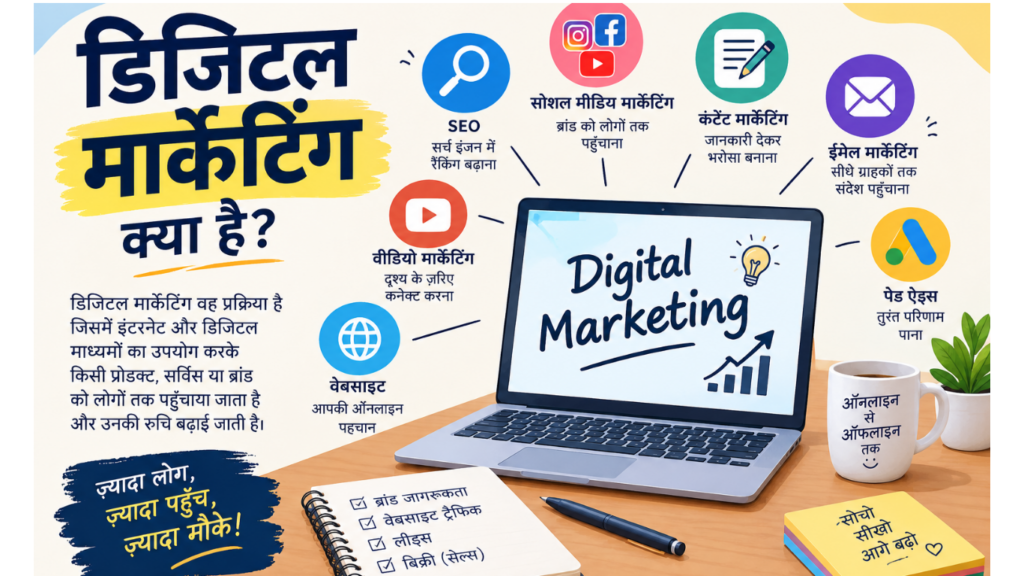
डिजिटल मार्केटिंग क्या है? डिजिटल मार्केटिंग की पूरी जानकारी, प्रकार और फायदे

आज के समय में इंटरनेट हमारी जिंदगी का एक जरूरी हिस्सा बन गया है। सुबह उठकर WhatsApp पर मैसेज देखना, Instagram पर रील्स देखना, YouTube पर वीडियो देखना और Google पर अपनी जरूरत की चीजें सर्च करना हमारी रोज की आदत बन चुकी है। हम अपना काफी समय मोबाइल और इंटरनेट पर बिताते हैं। लेकिन क्या आपने कभी सोचा है कि जब आप Instagram पर किसी दुकान का विज्ञापन देखते हैं, YouTube पर किसी प्रोडक्ट की वीडियो देखते हैं या Google पर किसी कंपनी की वेबसाइट ढूंढते हैं, तो यह सब कैसे होता है? इन सभी चीजों के पीछे डिजिटल मार्केटिंग की महत्वपूर्ण भूमिका हो सकती है। आज छोटे दुकानदार से लेकर बड़ी कंपनियों तक, हर कोई अपने बिजनेस को आगे बढ़ाने के लिए डिजिटल मार्केटिंग का इस्तेमाल कर रहा है। इसकी मदद से कंपनियां अपने प्रोडक्ट और सर्विस को ज्यादा लोगों तक पहुंचा सकती हैं, नए ग्राहक बना सकती हैं और अपने बिजनेस की पहचान बढ़ा सकती हैं। अपने बिजनेस के लिए सही डिजिटल मार्केटिंग रणनीति जानने के लिए हमारी वेबसाइट पर जाएं: Snowolive अगर आप एक बिजनेस चलाते हैं, अपना नया स्टार्टअप शुरू करना चाहते हैं, नौकरी की तलाश में हैं या डिजिटल मार्केटिंग सीखकर अपना करियर बनाना चाहते हैं, तो यह लेख आपके लिए उपयोगी हो सकता है। इस लेख में हम आसान भाषा में समझेंगे कि डिजिटल मार्केटिंग क्या है, इसके प्रकार कौन-कौन से हैं, यह कैसे काम करती है, छोटे बिजनेस के लिए इसके क्या फायदे हैं और आप इसकी शुरुआत कैसे कर सकते हैं। डिजिटल मार्केटिंग क्या है? (What Is Digital Marketing?) डिजिटल मार्केटिंग का मतलब है इंटरनेट और डिजिटल माध्यमों की मदद से किसी प्रोडक्ट, सर्विस या बिजनेस का प्रचार करना। आसान शब्दों में कहें, तो जब कोई कंपनी अपने प्रोडक्ट या सर्विस की जानकारी लोगों तक पहुंचाने के लिए Google, Instagram, Facebook, YouTube, ईमेल या अपनी वेबसाइट का इस्तेमाल करती है, तो इसे डिजिटल मार्केटिंग कहा जाता है। उदाहरण के लिए, मान लीजिए कि आपकी दिल्ली में कपड़ों की एक छोटी-सी दुकान है। पहले आप अपनी दुकान के बाहर बोर्ड लगाते थे, पर्चे बांटते थे या अखबार में विज्ञापन देते थे। इन तरीकों से आपके आसपास रहने वाले लोगों को आपकी दुकान के बारे में पता चलता था। लेकिन अब आप Instagram पर अपने कपड़ों की फोटो डाल सकते हैं, Facebook पर विज्ञापन चला सकते हैं और अपनी वेबसाइट बनाकर ऑनलाइन ऑर्डर भी ले सकते हैं। इस तरह आप केवल अपने आसपास के लोगों तक ही सीमित नहीं रहते, बल्कि दूसरे इलाकों के ग्राहकों तक भी पहुंच सकते हैं। यही डिजिटल मार्केटिंग की ताकत है। डिजिटल मार्केटिंग का उद्देश्य केवल विज्ञापन दिखाना नहीं है। इसका उद्देश्य सही लोगों तक सही जानकारी पहुंचाना, ग्राहकों का भरोसा जीतना और बिजनेस को बढ़ाने में मदद करना भी है। डिजिटल मार्केटिंग आज के समय में क्यों जरूरी है? आज ग्राहक किसी भी प्रोडक्ट को खरीदने से पहले इंटरनेट पर उसके बारे में जानकारी खोज सकते हैं। उदाहरण के लिए, अगर किसी व्यक्ति को नया मोबाइल खरीदना है, तो वह Google पर मोबाइल के फीचर्स सर्च करेगा, YouTube पर उसके रिव्यू देखेगा और अलग-अलग वेबसाइट पर उसकी कीमत की तुलना करेगा। इसी तरह, अगर किसी को दिल्ली में अच्छा रेस्टोरेंट ढूंढना है, तो वह Google Maps पर रेस्टोरेंट की लोकेशन, फोटो और ग्राहक की रेटिंग देख सकता है। अब सोचिए, अगर आपका बिजनेस इंटरनेट पर मौजूद ही नहीं है, तो ऐसे कई संभावित ग्राहक आपके बिजनेस के बारे में जान ही नहीं पाएंगे। डिजिटल मार्केटिंग इसलिए जरूरी है क्योंकि यह बिजनेस को ऑनलाइन पहचान बनाने और ग्राहकों से जुड़ने का मौका देती है। इसके कुछ मुख्य कारण हैं: हालांकि, अच्छे परिणाम पाने के लिए सही रणनीति, लगातार काम और ग्राहकों की जरूरतों को समझना जरूरी है। डिजिटल मार्केटिंग और पारंपरिक मार्केटिंग में क्या अंतर है? मार्केटिंग का उद्देश्य हमेशा से लोगों को किसी प्रोडक्ट या सर्विस के बारे में बताना रहा है। पहले इसके लिए अखबार, रेडियो, टीवी, पोस्टर और पर्चों का ज्यादा इस्तेमाल होता था। इन्हें पारंपरिक मार्केटिंग कहा जाता है। आज इन तरीकों के साथ-साथ इंटरनेट आधारित मार्केटिंग भी तेजी से बढ़ रही है। इसे एक उदाहरण से समझते हैं। मान लीजिए, एक बेकरी अपने नए केक की बिक्री बढ़ाना चाहती है। पारंपरिक मार्केटिंग में वह आसपास के इलाकों में पर्चे बांट सकती है या किसी स्थानीय अखबार में विज्ञापन दे सकती है। डिजिटल मार्केटिंग में वह Instagram पर केक की अच्छी फोटो पोस्ट कर सकती है, Google पर अपने बिजनेस की जानकारी अपडेट कर सकती है और आसपास के लोगों तक पहुंचने के लिए ऑनलाइन विज्ञापन चला सकती है। दोनों तरीके उपयोगी हो सकते हैं। सही विकल्प बिजनेस, बजट और ग्राहकों पर निर्भर करता है। पारंपरिक मार्केटिंग डिजिटल मार्केटिंग अखबार, पोस्टर और रेडियो जैसे माध्यम वेबसाइट, सोशल मीडिया और सर्च इंजन स्थानीय लोगों तक पहुंचने में उपयोगी स्थानीय और व्यापक दोनों तरह के दर्शकों तक पहुंच संभव परिणामों को मापना कभी-कभी कठिन क्लिक, व्यू और कन्वर्जन जैसे आंकड़े देख सकते हैं बदलाव करने में अधिक समय या खर्च लग सकता है कई ऑनलाइन कैंपेन जल्दी बदले जा सकते हैं ग्राहक से सीधा संवाद सीमित हो सकता है कमेंट, मैसेज और ईमेल से बातचीत संभव ध्यान रखें कि डिजिटल मार्केटिंग हमेशा सस्ती या पारंपरिक मार्केटिंग हमेशा महंगी नहीं होती। खर्च इस बात पर निर्भर करता है कि आप कौन-सा तरीका इस्तेमाल कर रहे हैं। डिजिटल मार्केटिंग के प्रकार (Types of Digital Marketing) डिजिटल मार्केटिंग के कई प्रकार हैं। हर प्रकार का अपना अलग उद्देश्य होता है। कोई वेबसाइट पर लोगों को लाने में मदद करता है, कोई ब्रांड की पहचान बढ़ाता है और कोई संभावित ग्राहकों को खरीदारी के लिए प्रेरित करता है। आइए, इनके बारे में आसान भाषा में समझते हैं। 1. SEO क्या है? (Search Engine Optimization) SEO यानी सर्च इंजन ऑप्टिमाइजेशन। इसका मतलब है अपनी वेबसाइट को इस तरह बेहतर बनाना कि वह Google जैसे सर्च इंजन के परिणामों में सही सर्च के लिए दिखाई देने की बेहतर संभावना रखे। मान लीजिए, आपकी एक डिजिटल मार्केटिंग एजेंसी है। कोई व्यक्ति Google पर सर्च करता है, “दिल्ली में डिजिटल मार्केटिंग एजेंसी”। अगर आपकी वेबसाइट इस विषय से संबंधित उपयोगी जानकारी देती है,

10 Best Digital Marketing Books
Best Digital Marekting Books

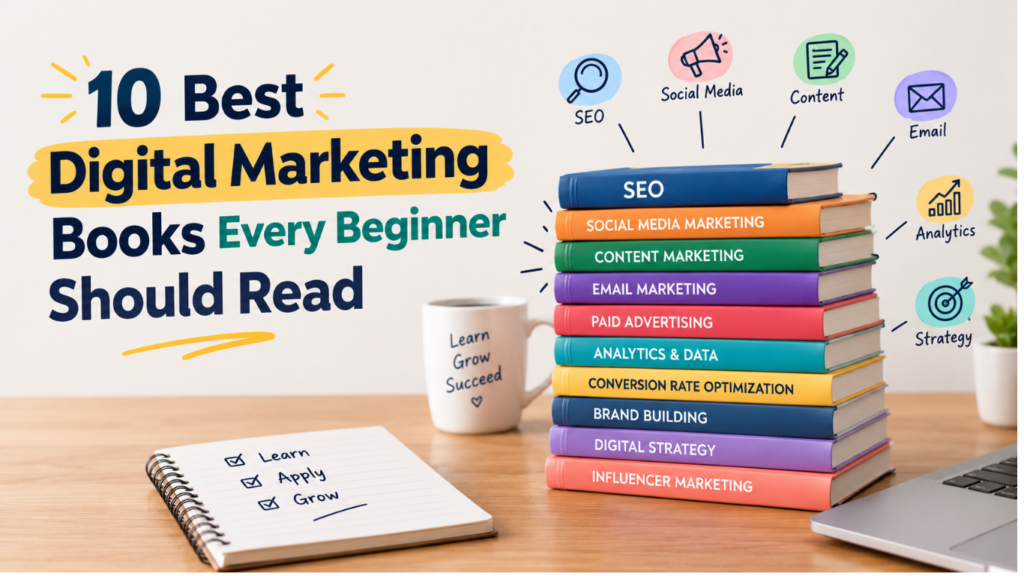
10 Best Digital Marketing Books Every Beginner Should Read

One useful way to start learning is by reading good digital marketing books. Books can help you understand the basic concepts, learn from real business examples, and develop a clear understanding of how marketing works. Instead of jumping between different online resources, you can follow a structured approach and learn one concept at a time. The best part is that you do not need to be a marketing expert to understand these books. Many are written in simple language and explain ideas through examples, stories, and practical lessons. In this article, we will explore the 10 best digital marketing books every beginner should read. These books cover different areas of marketing, from understanding customer behaviour to creating content, improving website visibility, and building a strong marketing strategy. Looking to apply these marketing lessons to your business? Explore Snowolive Services. Whether you are a student, a business owner, a freelancer, or someone planning a career in digital marketing, this list will help you choose the right book for your learning journey. Why Should Beginners Read Digital Marketing Books? The following books have been selected because they teach different skills that are useful in digital marketing. Some focus on the basics, while others help you improve your writing, understand customer behaviour, create better content, or develop a marketing strategy. You do not need to read all ten books at once. Start with the one that matches your current goal and gradually explore other areas. 1. Digital Marketing for Dummies by Ryan Deiss and Russ Henneberry Best for: Complete beginners Main focus: Digital marketing fundamentals This is a useful starting point if you are new to digital marketing and want to understand the different parts of online marketing before choosing a specialisation. Starting something new can be difficult when you do not understand the basic terms. You may hear words like SEO, conversion rate, landing page, email campaign, and paid advertising without knowing how they connect. Digital Marketing for Dummies by Ryan Deiss and Russ Henneberry helps readers understand the wider digital marketing process and the methods businesses use to reach potential customers online. The main benefit of learning from an introductory book is that you can build a foundation before moving on to advanced topics. You can learn why businesses need a website, how they attract visitors, and how marketing activities can support sales. For example, imagine that a small clothing store wants to sell kurtis online. It may need a website to display its products, SEO to attract people searching on Google, social media to show new designs, and online advertisements to reach potential buyers. All these activities are connected. Understanding that connection helps you see digital marketing as a complete process rather than a collection of separate tools. What you can learn from this book: Who should read it? Students, freshers, small business owners, and anyone who wants to understand digital marketing from the beginning can consider this book. Practical tip: After reading, choose a small business and identify three ways it could attract more customers online. This simple exercise will help you connect the concepts to a real business. 2. This Is Marketing by Seth Godin Best for: Understanding marketing strategy Main focus: Customers, trust, and meaningful communication This book helps beginners understand why successful marketing starts with people and their needs, not simply with selling products. Many beginners think marketing means promoting a product as widely as possible. They believe that if enough people see an advertisement, sales will automatically increase. But effective marketing requires more than visibility. You need to understand who your customers are, what they care about, and why your product or service is relevant to them. In This Is Marketing, Seth Godin explores the importance of understanding a specific audience, building trust, and creating value for the people a business wants to serve. Consider a business that sells handmade skincare products. Instead of targeting everyone, the business might focus on customers who prefer handmade products and want to understand the ingredients they use. The company can create educational posts, explain its product ingredients, answer customer questions, and share useful information. This approach helps people understand the brand before they decide whether to purchase. The lesson is simple: good marketing is not only about getting attention. It is also about creating a meaningful connection with the right people. What you can learn from this book: Who should read it? This book is suitable for aspiring marketers, entrepreneurs, freelancers, and anyone who wants to understand the thinking behind a good marketing strategy. Practical tip: Before promoting any product, write down who needs it, what problem it solves, and why someone should choose it over other options. 3. Jab, Jab, Jab, Right Hook by Gary Vaynerchuk Best for: Social media marketing Main focus: Valuable content and promotional messages A useful choice for people who want to understand how brands can communicate with audiences through social media. Social media has become an important way for businesses to communicate with customers. However, one common mistake is using every post to sell something. Imagine following a clothing brand on Instagram. Every day, the brand posts messages such as “Buy now,” “Shop today,” or “Get your favourite design.” After some time, you may stop paying attention because the content offers little value beyond selling. Now imagine that the same brand shares outfit ideas, styling tips, fabric information, and ways to care for clothes. When it occasionally introduces a new collection, you already have a reason to pay attention. This is the basic idea behind Jab, Jab, Jab, Right Hook by Gary Vaynerchuk. The book discusses giving audiences useful or engaging content and making promotional messages fit the platform and audience. The title uses a boxing comparison. The “jabs” represent the ongoing value a brand provides, while the “right hook” represents the direct request for action, such as making a purchase. For digital marketers, the important lesson is to balance helpful content with promotional content rather than asking for a sale

Your Business Needs a Social Media Content Strategy
digital marketing

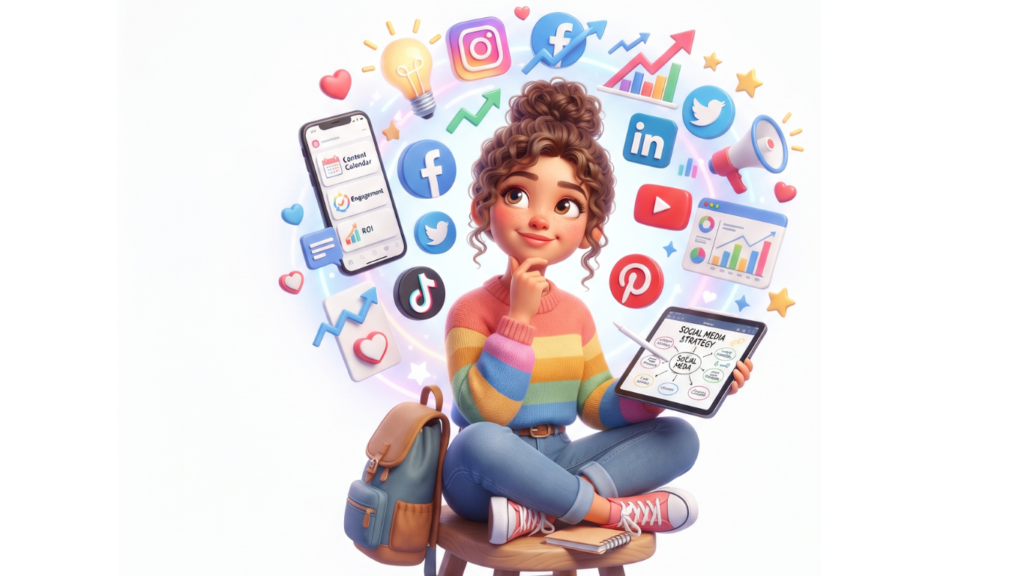
Why Your Business Needs a Social Media Content Strategy

Imagine you own a small business. You post pictures of your products on Instagram, share a few offers on Facebook, and sometimes upload a reel when you have free time. But after doing all this, you still don’t get enough likes, followers, enquiries, or sales. Explore our digital marketing services at Snowolive and discover how we can help your business grow online. Does this sound familiar? Many business owners face this problem. They spend time creating posts, but they don’t always get the results they expect. The problem may not be their product or service. Sometimes, they simply don’t have a clear social media content strategy. Today, social media is more than a place to share photos and videos. It is a powerful way to connect with customers, build trust, and grow a business. But to get good results, posting randomly is not enough. You need to know what to post, who you want to reach, and what you want people to do after seeing your content. In this article, we will understand what a social media content strategy is, why your business needs one, and how you can create a simple strategy that works for you. What Is a Social Media Content Strategy? A social media content strategy is a simple plan that explains what your business will post on social media, when you will post it, who you want to reach, and what you want to achieve. It helps you create content with a clear purpose instead of posting whatever comes to mind. For example, imagine you own a clothing store. You can post pictures of your latest collection, share styling tips, create videos showing how to wear one kurti in different ways, and share customer reviews. Each post has a different purpose. Some attract new customers, some help people understand your products, and others encourage them to make a purchase. That is how a content strategy works. It connects your social media activities with your business goals. Why Does Your Business Need a Social Media Content Strategy? Let’s look at the main reasons why having a content strategy can make a difference to your business. 1. It Helps You Reach the Right Audience Not everyone on social media is your potential customer. Your goal should not be to reach everyone. It should be to reach people who are genuinely interested in your products or services. For example, if you run a bakery, your target audience may include people living nearby, families, students, and people looking for birthday cakes. Your content could include cake designs, birthday decoration ideas, customer reviews, and special occasion offers. Similarly, if you provide digital marketing services, your content could focus on helping small business owners understand SEO, online advertising, and social media growth. When your content matches your audience’s interests and needs, people are more likely to stop scrolling, engage with your posts, and remember your business. 2. It Builds Trust With Your Customers People usually feel more comfortable buying from a business they know and trust. Think about your own shopping habits. Before buying a product online, you might check the brand’s Instagram page, read customer reviews, or watch videos to understand the product better. Your potential customers do the same thing. Regularly sharing useful and honest content helps people understand your business. You can share customer experiences, behind-the-scenes videos, product demonstrations, helpful tips, and answers to common questions. For example, a skincare business can explain how to use its products correctly instead of only posting pictures asking people to buy them. When customers find your content helpful, they have more reasons to trust your brand. Remember: People don’t always buy from the business that posts the most. They often choose the business that makes them feel confident about their decision. 3. It Keeps Your Business Consistent Imagine visiting a business’s Instagram page and finding its last post was uploaded three months ago. You might wonder whether the business is still active. Consistency helps your audience remember your brand and gives them more opportunities to interact with you. However, consistency does not mean posting five times every day. It means following a realistic schedule that you can maintain. For example, you could start with: This is just an example. You can choose a schedule that suits your business and available time. A simple content calendar makes planning easier and reduces the stress of deciding what to post every day. 4. It Saves Time and Effort Running a business already involves many responsibilities. You may have to manage customers, employees, orders, payments, and daily operations. Creating social media content without a plan can become another stressful task. You might spend an hour thinking about a caption, struggle to find an idea for a reel, or upload something at the last minute. A content strategy helps you prepare in advance. For example, you can spend two hours every Sunday planning the next week’s posts. You can write captions, prepare designs, record short videos, and schedule content wherever the platform supports it. This way, you don’t have to start from zero every day. You save time, maintain consistency, and give yourself more opportunities to focus on other parts of your business. 5. It Helps You Stand Out From Competitors Your competitors may sell similar products or offer the same services. So, why should customers choose you? Your content can help answer that question. Instead of copying what other businesses are posting, focus on what makes your business different. For example: These ideas help people understand your brand’s personality and value. You don’t always need expensive equipment or professional videos. Simple, clear, and useful content can also attract attention when it speaks to the right audience. 6. It Can Help You Generate More Leads and Sales Getting likes and followers feels good, but social media should also support your business goals. A well-planned content strategy guides people from discovering your brand to considering your products or services and eventually contacting you or making a purchase.

Can AI Replace Digital Marketers
digital marketing

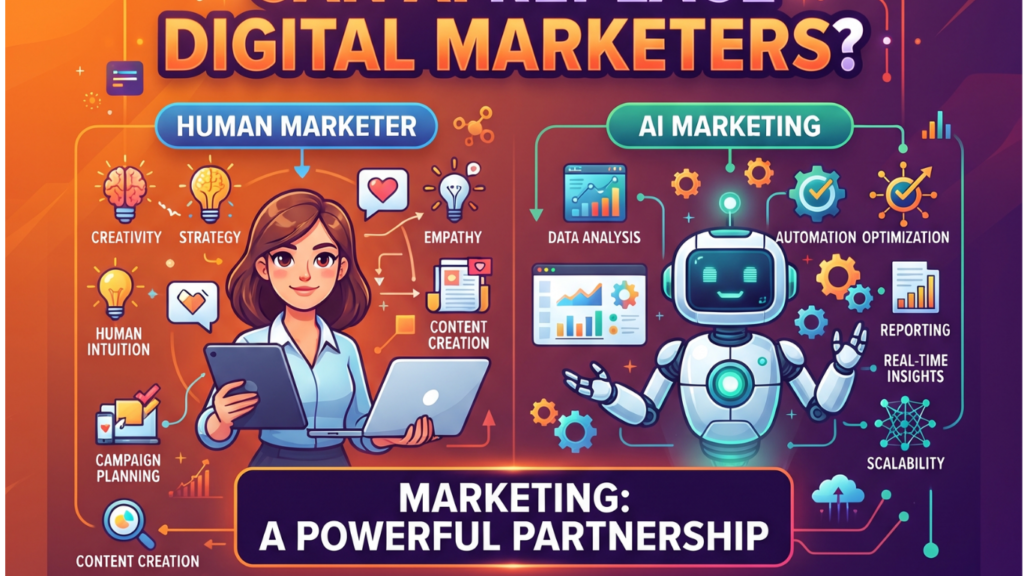
Can AI Replace Digital Marketers? The Future of Digital Marketing

Artificial Intelligence (AI) is changing the way businesses work. Today, AI tools can help people write blog posts, create social media content, run advertisements, and understand customer behaviour. Because of this, many people have an important question: Can AI replace digital marketers? Earlier, many of these tasks took hours to complete. Now, AI can help finish some of them in just a few minutes. The simple answer is that AI can do many marketing tasks, but it cannot easily replace everything a human digital marketer does. Digital marketing is not only about writing content or running advertisements. It is also about understanding customers, creating new ideas, planning campaigns, and helping businesses grow. In this article, we will explain how AI is changing digital marketing, whether marketing jobs are at risk, and how businesses and beginners can prepare for the future. Want to learn more? Visit the Snowolive to explore our digital marketing services. 1. What Is AI in Digital Marketing? AI in digital marketing means using artificial intelligence tools to make marketing work easier and faster. For example, imagine you own a clothing store and want to promote your products online. You need Instagram posts, advertisements, product descriptions, and website content. Instead of creating everything from the beginning, you can use AI tools to generate ideas, write content drafts, and suggest ways to promote your products. However, you still need to decide which products to promote, who your customers are, and how to convince people to buy from your store. This is where a digital marketer becomes important. AI can help with many marketing activities, such as: AI can make these tasks easier, but businesses still need a clear marketing plan to get good results. 2. How Is AI Changing Digital Marketing? AI is changing how digital marketers work. It helps them complete some tasks faster and spend more time on important activities. Let’s understand this with a few simple examples. Faster Content Creation Writing social media posts, blogs, and advertisements takes time. AI can help marketers create drafts and generate new ideas quickly. For example, if a bakery wants to promote its cakes on Instagram, AI can suggest post ideas about birthday cakes, special offers, new flavours, and customer reviews. The digital marketer can then choose the best ideas and make the content more interesting. This saves time and makes content planning easier. Better Advertising Businesses use Google Ads and Meta Ads to reach potential customers. AI can help create different advertisement headlines, study campaign results, and suggest ways to improve performance. For example, if an advertisement gets many clicks but very few enquiries, the marketer can check whether the offer, audience, or website needs improvement. AI can help identify possible problems, but the marketer must decide what changes to make. Understanding Customers Every business wants to understand what its customers need. AI can help study customer feedback, website activity, and advertising data to find common patterns. For example, if many customers ask about delivery charges before buying a product, the business can display delivery information more clearly on its website. This can make the buying process easier for customers. Saving Time Through Automation Some marketing tasks are repetitive, such as scheduling posts, preparing reports, and sending follow-up emails. AI-powered tools can help automate these tasks. As a result, marketers can spend more time planning campaigns, understanding customers, and improving business results. 3. What Can AI Do Better Than Human Digital Marketers? AI has several advantages that make it useful for businesses. 1. It Works Quickly AI can generate many content ideas, captions, and advertisement headlines in a short time. For example, a marketer can ask AI to suggest 20 Instagram post ideas for a clothing brand instead of thinking of every idea manually. The marketer can then select and improve the most useful suggestions. 2. It Can Analyze Large Amounts of Data AI can help marketers understand information from websites and advertising campaigns. It can help identify which advertisements receive more clicks, which pages attract visitors, and where customers may leave a website. This information helps marketers decide what they should investigate or improve. 3. It Helps Automate Repetitive Tasks AI tools can help with regular tasks such as preparing reports, drafting emails, and organizing information. This allows marketers to focus on more important work. 4. It Can Suggest New Ideas Sometimes, people run out of ideas for social media posts or marketing campaigns. AI can suggest different topics, offers, and content formats. For example, a gym can use AI to generate ideas about beginner workouts, common exercise mistakes, fitness tips, and healthy habits. The gym’s marketing team can then choose ideas that suit its customers. However, AI is only a tool. Its suggestions need to be checked before they are used. 4. What Can AI Not Replace Easily? AI is useful, but some parts of digital marketing still need human thinking and understanding. Human Creativity AI can suggest ideas, but businesses need content that makes them different from their competitors. For example, two clothing brands may sell similar products. One may focus on affordable fashion, while the other may focus on premium designs. Both brands need different marketing messages to attract their customers. A digital marketer helps create these messages and gives the brand its own identity. Understanding Customer Feelings People do not always buy products because they are cheap. They also consider trust, quality, convenience, and their personal needs. For example, someone may avoid buying from a new online store because they are worried about product quality. The business may need to display genuine customer reviews, provide clear return policies, and share accurate product information. A marketer needs to understand the customer’s problem and find the right way to address it. Making Business Decisions AI can suggest marketing ideas, but it cannot automatically make every decision correctly. A business needs to decide whether it should focus on increasing sales, getting more enquiries, attracting website visitors, or building brand awareness. These goals depend on the business’s

Digital Marketing
Small Business Website

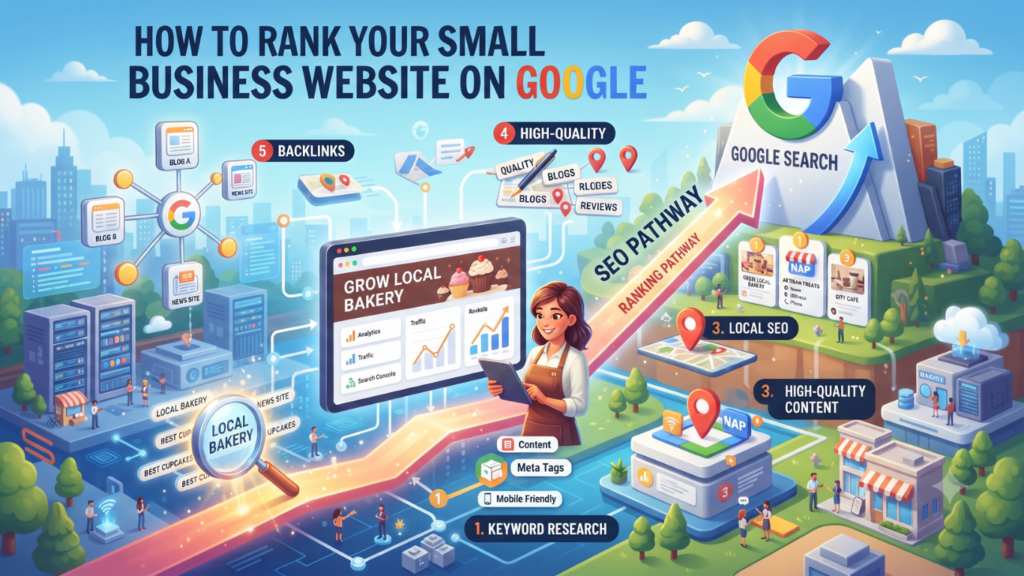
How to Rank Your Small Business Website on Google

A Simple Guide for Beginners If you own a small business, having a website is a great first step toward growing your business online. But what if your website is not appearing on Google when potential customers search for your products or services? You may have a beautiful website, useful products, and good services, but if people cannot find you online, you could miss many opportunities. The good news is that you do not need a huge budget to improve your website’s Google rankings. With the right SEO strategies, useful content, and regular effort, you can help more people discover your business online. If you want to learn more about affordable online growth strategies, explore more helpful articles on Snowolive, where small business owners can learn about digital marketing, website design, and online business growth. In this guide, we will explain how to rank your small business website on Google in simple language, even if you are a complete beginner. 1. Understand What SEO Means SEO stands for Search Engine Optimization. It is the process of improving your website so that search engines like Google can understand your content and show your pages to people searching for relevant information. For example, imagine you own a digital marketing agency in Delhi. Someone searches on Google for “digital marketing services for small businesses in Delhi.” If your website provides relevant information and follows good SEO practices, it may have a chance to appear in the search results. SEO does not guarantee the first position on Google. However, it can help you attract relevant visitors without paying for every click. 2. Find the Right Keywords for Your Business Keywords are the words and phrases people type into Google when they are looking for something. Choosing the right keywords is one of the first steps in SEO. Instead of guessing what your customers search for, try to understand their needs. For example, if you run a clothing store, your keywords might include: If you provide services, you could target keywords such as “website designing for small businesses” or “SEO services in Delhi.” How to find keywords for free: Choose keywords that match your products or services and what your customers actually want to find. Do not select a keyword only because it looks popular. 3. Create Helpful and Original Content Google wants to provide useful results to people. That means your website should answer visitors’ questions instead of simply repeating keywords. Suppose you sell skincare products. Instead of publishing only product pages, you could write helpful articles such as: These articles can help potential customers discover your website while searching for answers. When writing blog posts, explain the topic in simple language, use real examples, and share information that readers can apply. Avoid copying articles from other websites or publishing content just to increase the number of pages on your site. Tip: Before writing a blog post, ask yourself, “What problem will this article solve for my reader?” If you can answer that question clearly, you have a good starting point. 4. Optimize Your Website Pages for SEO On-page SEO means improving the content and important elements of your website pages so that visitors and search engines can understand them easily. Here are some simple changes you can make. Write a clear SEO title Your SEO title tells people what your page is about. It may appear as the clickable headline in Google search results. For example: Try to make every important page title clear, relevant, and different from the titles of your other pages. Add a useful meta description A meta description is a short summary that may appear below your page title in search results. It helps people understand what they can expect from your page. Example: “Looking for affordable website design? Discover how a professional website can help your small business attract customers and grow online.” Write a natural description that explains the page’s value. Google may choose different text from your page for the search snippet, so your description is not guaranteed to appear exactly as written. Use headings properly Headings divide your content into smaller, easy-to-read sections. Use one clear main heading, followed by relevant subheadings. For example: Include keywords naturally where they make sense. Repeating the same phrase in every heading can make your article difficult to read. Create simple URLs A short, descriptive URL helps visitors understand the topic of your page. For example: Keep URLs readable and avoid changing existing URLs unnecessarily, especially if those pages already receive traffic. 5. Make Your Website Mobile-Friendly Many people search for products and services using their mobile phones. If your website is difficult to use on a small screen, visitors may leave without contacting you. Check whether your website: You can test your website on your own phone and use Google’s PageSpeed Insights to check loading performance and identify possible improvements. Remember, a good mobile experience is about more than just fitting the page onto a smaller screen. Visitors should be able to find information and take action without difficulty. 6. Improve Your Website Loading Speed Imagine a customer visits your website to check your services, but the page takes too long to load. They may leave and choose another business. A slow website can create a poor user experience, so it is worth checking your website’s performance. Here are a few ways to improve loading speed: If you use WordPress and Elementor, pay particular attention to image sizes, unnecessary widgets, and plugins you no longer need. You do not need to make every performance score perfect. Focus on fixing the issues that most affect your visitors. 7. Set Up Google Search Console Google Search Console is a free tool that helps website owners understand how their websites perform in Google Search. It is especially useful if you are trying to improve SEO but do not know whether Google is finding your pages. With Search Console, you can: To get started, visit Google Search Console and add your

Digital Marketing on a Budget

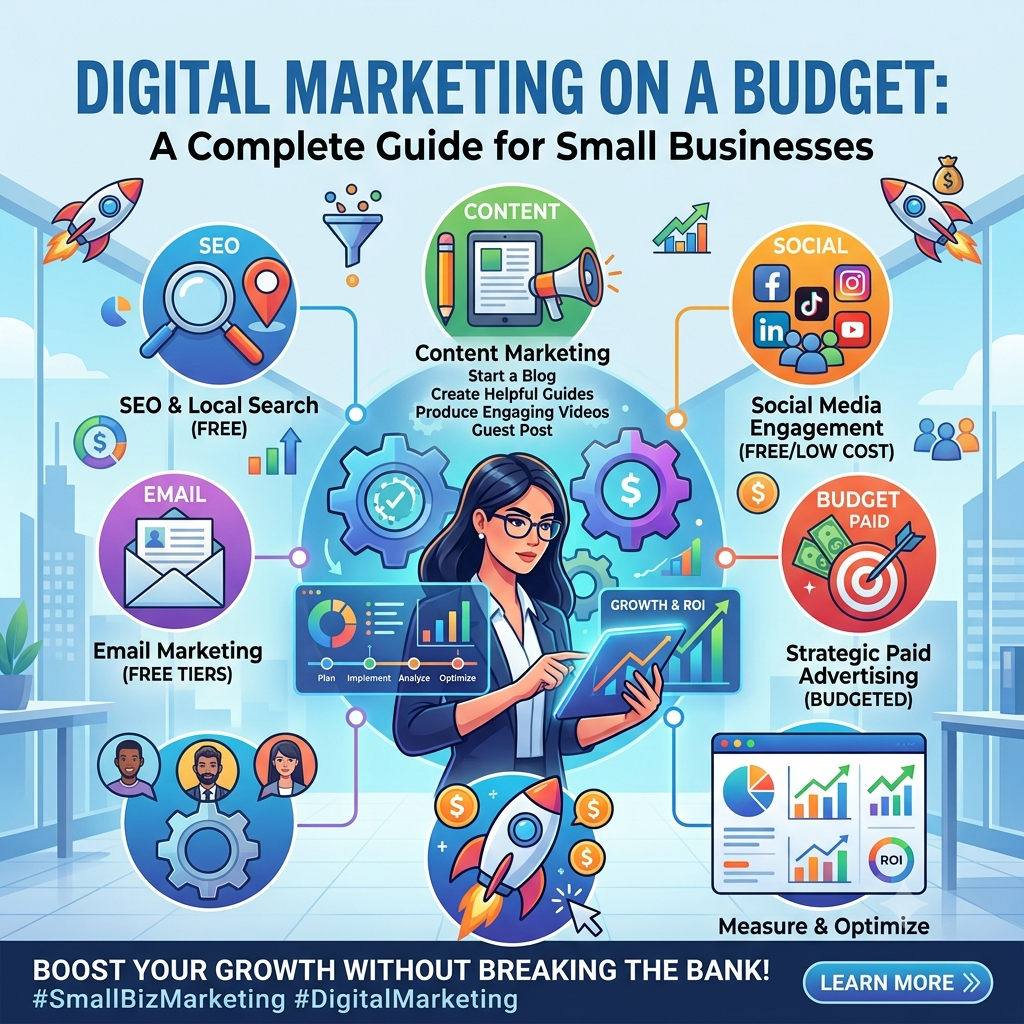
Digital Marketing on a Budget: A Complete Guide for Small Businesses

Running a small business is not easy. You have to manage products, customers, expenses, and sales every day. At the same time, you want more people to know about your business and buy your products or services. But what if you have a limited marketing budget? The good news is that you do not need a big budget to grow your business online. With the right digital marketing strategy, you can reach potential customers, build trust, and increase sales without spending too much money. In this guide, we will explain how small businesses can use digital marketing on a budget, which platforms are worth trying, and how to get better results from their marketing efforts. Want to grow your business online? Visit Snowolive to explore digital marketing services, including website design, SEO, Google Ads, and social media marketing. Why Is Digital Marketing Important for Small Businesses? Traditional marketing methods, such as newspaper advertisements, banners, and pamphlets, can be expensive. Digital marketing gives small businesses more ways to reach their target audience with a limited budget. Here are some important benefits. 1. Reach more potential customers Your business can reach people beyond your local area, depending on your products and services. 2. Build trust with customers Regular posts, customer reviews, useful information, and a professional website help people understand your business and feel more confident buying from you. 3. Start with a small budget You can begin with free social media accounts, Google Business Profile, and basic SEO before investing in advertisements. 4. Understand your results Digital marketing tools can help you track website visits, customer enquiries, clicks, and conversions. This helps you understand what is working and what needs improvement. 5. Compete with larger businesses A small business can attract customers by sharing useful content, offering good service, and targeting the right audience instead of trying to outspend larger competitors. 7 Budget-Friendly Digital Marketing Strategies for Small Businesses You do not need to use every marketing method at once. Start with the strategies that best match your business and your customers. 1. Use Social Media Marketing Social media is one of the easiest ways to introduce your business to potential customers without paying for advertisements. Platforms like Instagram, Facebook, and LinkedIn can help you share your products, explain your services, and build relationships with your audience. What can you post? Budget tip: Start with one or two platforms where your target customers are active. Post consistently instead of trying to be everywhere. 2. Create a Google Business Profile If you own a local business, such as a salon, restaurant, coaching centre, clothing shop, or marketing agency, a Google Business Profile can help people discover you on Google Search and Maps. Add your correct business name, address or service area, phone number, business hours, photos, and services. Encourage genuine customers to leave reviews and respond politely to their feedback. Budget tip: Creating a Google Business Profile is free. Keep your information updated so potential customers can easily contact you. 3. Improve Your Website SEO Search engine optimization, or SEO, helps your website appear in relevant search results. For example, if you sell handmade jewellery in Delhi, you might create useful pages around searches such as “handmade jewellery in Delhi” or “affordable handmade gifts.” Start with these simple steps: Budget tip: You can learn basic SEO and make many improvements yourself. However, SEO takes time, and higher rankings are never guaranteed. 4. Create Useful Content Content marketing means sharing helpful information that attracts people who may need your products or services. You can create Instagram Reels, blog posts, short videos, guides, or infographics without hiring a large team. For example: Budget tip: Use free or low-cost design tools and your smartphone. One useful topic can become a Reel, a carousel post, and a blog article. 5. Try Email Marketing Email marketing helps you stay connected with people who have chosen to receive updates from your business. You can send new product announcements, helpful tips, special offers, newsletters, and updates about your services. Keep your emails useful and easy to read. Avoid sending too many messages, and always respect people’s consent and unsubscribe requests. Budget tip: Start with a small list of interested customers and check the free plans offered by email marketing platforms. Their limits and features may change. 6. Run Small Paid Advertising Campaigns If you want faster visibility, you can test paid advertisements on Google, Facebook, or Instagram. Google Ads can help you reach people actively searching for certain products or services. Social media ads can help introduce your business to a relevant audience. Before spending money, decide what you want to achieve: website visits, phone calls, enquiries, or purchases. Budget tip: Start with a small test budget you can afford to lose. Test one audience and a few creative variations, then review the results before increasing your spending. 7. Use WhatsApp to Build Customer Relationships For many small businesses in India, WhatsApp is a convenient way to answer questions and manage customer enquiries. You can use WhatsApp Business to share a business profile, organise conversations, display a catalogue where appropriate, and provide customer support. Reply clearly, share useful information, and make it easy for interested customers to take the next step. Budget tip: Start with the free WhatsApp Business app and use it to manage conversations more professionally. Follow WhatsApp’s rules and obtain appropriate consent before sending promotional messages. How Much Budget Do You Need for Digital Marketing? There is no single budget that works for every business. Your expenses depend on your industry, competition, location, goals, and whether you manage marketing yourself or hire a professional. Here is an illustrative monthly budget in Indian rupees for planning purposes, not a guarantee of results. Budget level What you can focus on ₹0–₹2,000 Organic social media, basic SEO, Google Business Profile, and DIY content ₹2,000–₹5,000 Better content creation, selected tools, and small advertising tests ₹5,000–₹10,000 More consistent content, paid campaign testing, and basic reporting ₹10,000+ Broader advertising tests, professional

should i learn digital marketing in 2026?
digital marketing

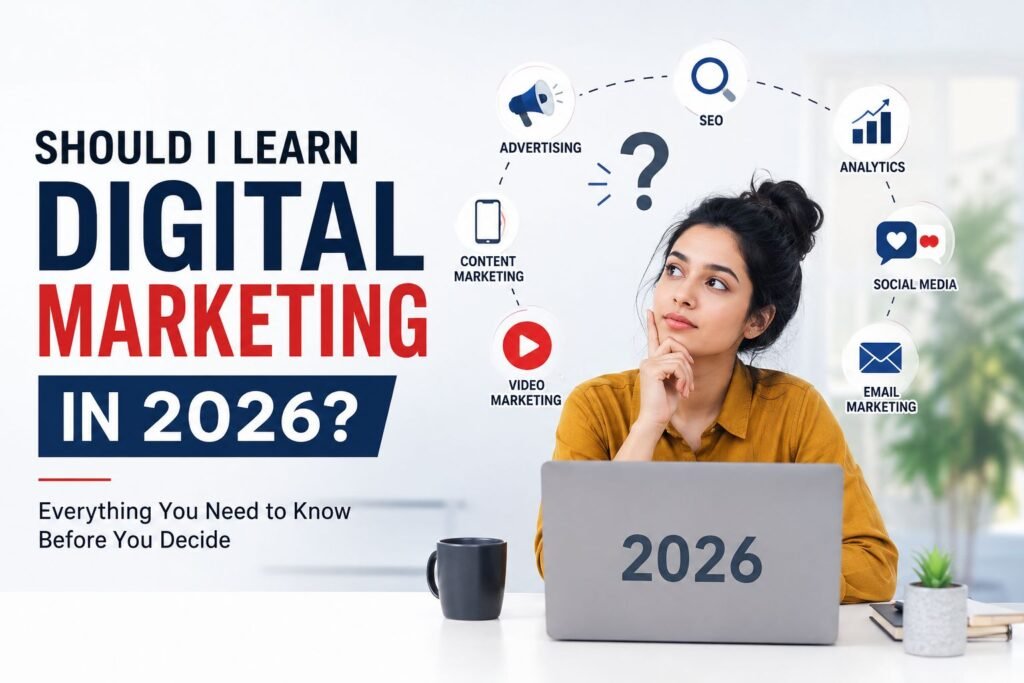
Should I Learn Digital Marketing in 2026? A Complete Guide

If you’re wondering, Should I Learn Digital Marketing in 2026, you’re not alone. Digital marketing is becoming an important skill for businesses and professionals across many industries. In this guide, we’ll explore its career opportunities, benefits, skills, and future scope to help you decide if it’s worth learning. Digital marketing is now an important part of most businesses. If you want to grow your business then connect with SNOWOLIVE . Companies use it to reach people, promote their products, and get more customers. But many people have the same question in 2026: “Should I learn digital marketing in 2026?” The short answer is yes. Digital marketing is still a useful skill to learn in 2026. However, the field is changing fast. AI is now a big part of digital marketing. Search engines are also changing. Social media platforms keep adding new features. Businesses are using more data to understand their customers. Because of these changes, digital marketers need to learn new skills. Knowing how to post on social media is not enough anymore. You need to understand things like SEO, paid ads, content marketing, social media, data, and AI tools. Digital marketing can be useful for many people. Students can use it to build career skills. Working professionals can use it to change careers. Business owners can use it to grow their businesses. Freelancers can also offer digital marketing services to clients. In this article, we will look at whether digital marketing is worth learning in 2026. We will also discuss the skills you need, career options, earning potential, and how you can start learning. Is Digital Marketing Worth Learning in 2026? Yes, digital marketing is worth learning in 2026. Businesses need digital marketing to reach their customers. People now spend a lot of time online. They search for products, watch videos, read reviews, and compare prices before making a purchase. This gives businesses many ways to reach their target audience. Here are some of the main reasons why digital marketing is still worth learning. 1. Businesses Need an Online Presence Almost every business needs to be visible online. A business may have a website, social media pages, or an online store. But simply having these platforms is not enough. Businesses also need people who know how to bring visitors to their websites and social media pages. Digital marketers help businesses get more traffic, leads, and sales. 2. People Search Online Before Buying Think about the last time you wanted to buy something. You may have searched for it on Google. You may have watched a YouTube video. You may have checked Instagram. You may have also read online reviews. Millions of people follow similar steps every day. This is why businesses need digital marketing. They want their products and services to appear when people search for them. 3. Digital Marketing Is Easy to Measure Digital marketing gives businesses access to a lot of data. For example, a business can see: This data helps marketers make better decisions. If a campaign is not working, they can change it. They can also test different ads, content, and audiences. 4. There Are Many Career Options Digital marketing is not one single job. You can choose from many different areas. For example: You do not need to learn everything at once. You can start with the basics. Then, you can choose the area that interests you the most. 5. Digital Marketing Can Help You Beyond a Job You do not have to work as a digital marketer to use these skills. For example, a business owner can learn digital marketing to get more customers. A freelancer can learn it and offer services to other businesses. A content creator can use it to grow their audience. Even people working in other fields can benefit from basic digital marketing skills. So, learning digital marketing can be useful even if you do not want a full-time marketing job. 6. AI Is Changing Digital Marketing AI is one of the biggest changes in digital marketing. AI tools can now help marketers with many tasks. They can help with content ideas, research, data analysis, ad copy, and automation. This may make you wonder: “Will AI replace digital marketers?” Probably not. AI can do many tasks, but it still needs human direction. Someone has to understand the customer. Someone has to create the marketing strategy. Someone also needs to check the results. This is why learning digital marketing + AI can be a strong combination in 2026. What Has Changed in Digital Marketing in 2026? Digital marketing has changed a lot in the last few years. New tools and platforms have changed how businesses reach their customers. AI is one of the biggest changes. But it is not the only one. Search engines, social media, content, and customer behaviour are also changing. This means digital marketers need to keep learning. Here are some of the biggest changes you should know about in 2026. 1. AI Is Now a Part of Digital Marketing AI has become a common tool for marketers. Marketers can use AI to: However, AI should not replace human thinking. A marketer still needs to understand the target audience. They also need to know what message will work for that audience. So, learning how to use AI with marketing skills is becoming more important. 2. Search Is Changing People do not always search for information in the same way anymore. They may use Google, YouTube, social media, or AI tools to find answers. Because of this, marketers need to think beyond traditional SEO. They need to create useful content that answers real questions. The content should also be easy to understand and useful to the reader. 3. Short Videos Are Very Important Short videos have become a major part of online marketing. Platforms like Instagram, YouTube, and other social platforms give businesses a way to reach people through short videos. This has increased the demand for skills such as: You do not need to become a

Scroll to Top